

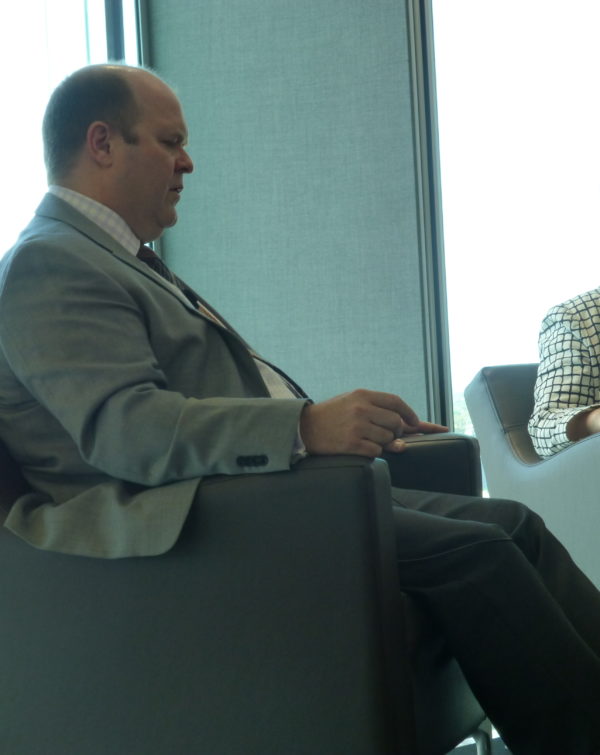
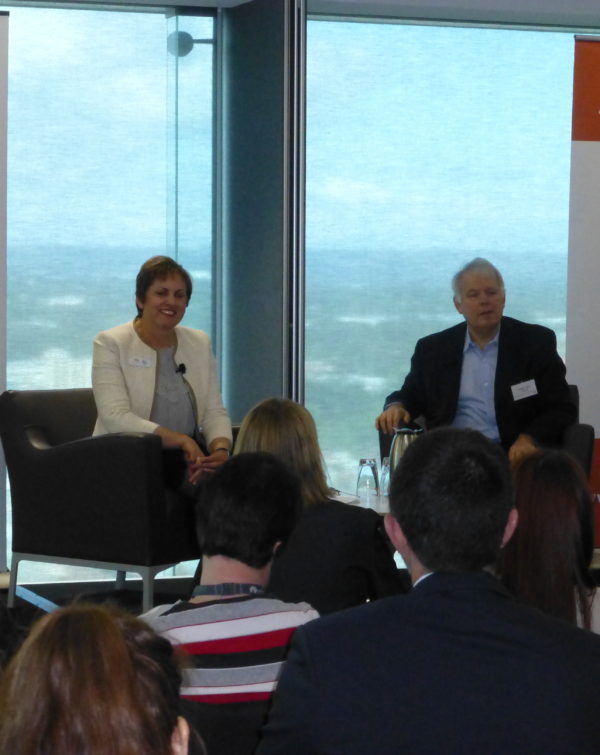
The Institute of Public Administration and the Equal Opportunity Commission hosted the Forum for South Australian executives, managers and supervisors on the 28th August 2015.
The way we work is changing. In recent years there has been a growing appreciation that organisations must respond to these dynamic shifts that are occurring within our society. Traditional patterns of working that involve ‘fixed pace, fixed time’ work no longer serve the current or future needs of the workplace and our society more generally. In light of this, a more flexible approach to working is required.1
The purpose of this Forum was to consider ways to create a more productive, dynamic and flexible public sector workforce that is able to adapt to the future needs of the State Government and the community.
Equal Opportunity Commissioner Anne Gale hosted the Forum and discussed the outcomes of the Flexible Workplace Futures project. Other speakers included the Department of the Premier and Cabinet’s Chief Executive Kym Winter-Dewhurst, who will shared his views on establishing a modern public sector in the context of flexible work, and Dr Eva Balan-Vnuk of Microsoft, who discussed the concept of technology as an enabler of activity-based working. You would also have heared from the Commissioner for Public Sector Employment, Erma Ranieri, who provided an industrial perspective, and Valuer-General Delfina Lanzilli, who discussed the implementation of flexible work at the State Valuation Office.
The Forum will considered strategies for increasing productivity, achieving workplace diversity and modernising the public sector.
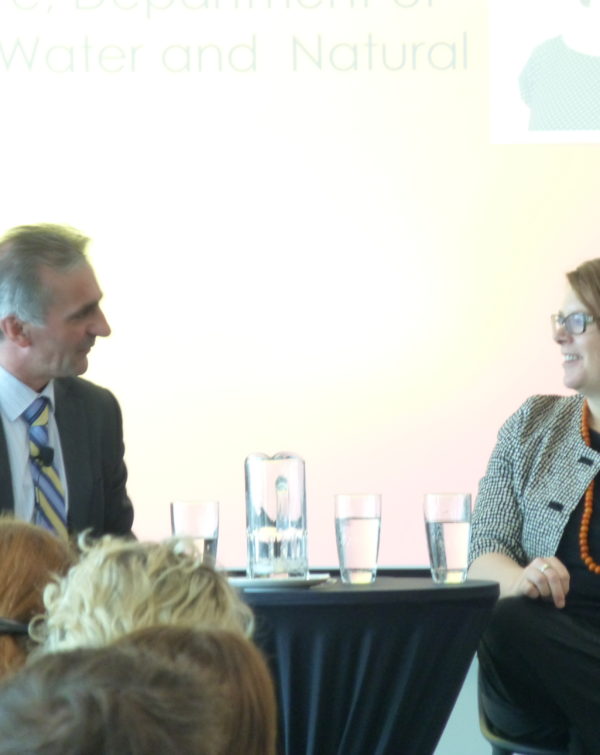
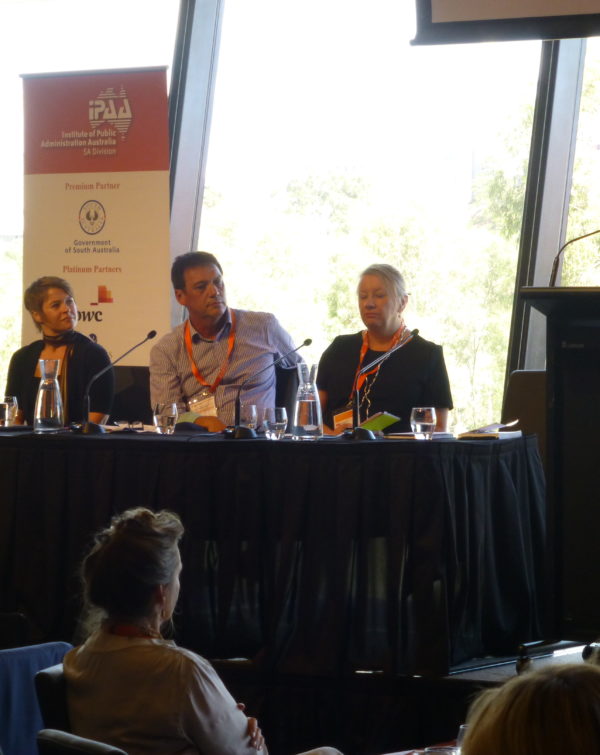
As part of Entrepreneurs’ Week, IPAA SA hosted a forum to showcase examples of intrapreneurship in the South Australian public sector, and to explore emerging trends and challenges for achieving change, improving coordination and facilitating innovation.
Attendees gained insight into the role of intrapreneurs in pushing government forward, and were inspired by and learned from some successful SA-based initiatives.
Keynote speakers included Raymond Spencer (Chair, Economic Development Board), Matt Salier (New Ventures Institute, Flinders University) and Kristina Dryza (Futurist).
In the morning, some of the stories were presented both in Pecha Kucha style and conference style, from initiatives including:
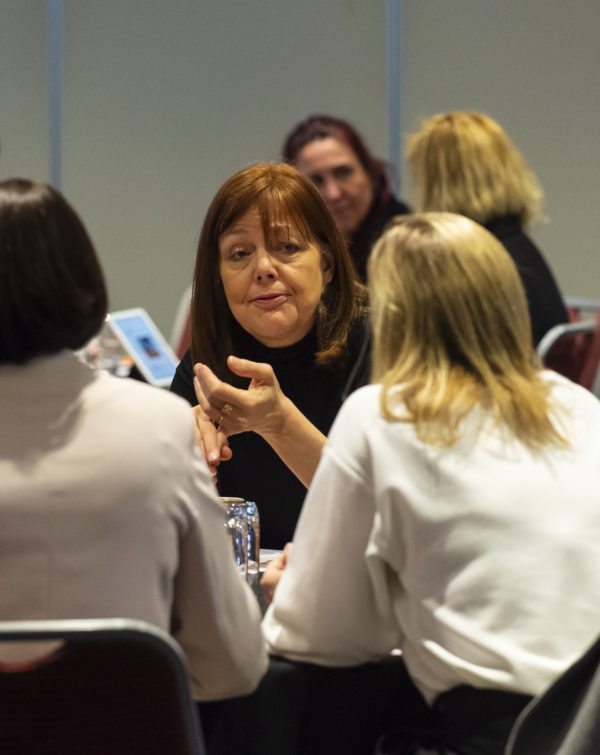
In the afternoon, an Ideas Marketplace was held for attendees to discuss new ideas and concepts with the people who have already made them happen. Discussions included concepts like open data, participatory budgeting, industry clusters, and citizen juries.
You were invited to contribute to our survey of intrapreneurship in government in South Australia.
Results from this survey were presented by Kristin Alford of Bridge8 and your input informed a shared overview of the challenges and opportunities and how further change and innovation might be supported.
