• Become a member
  • FAQs
  • Contact
  • Facebook
  • Twitter
  • Youtube
  • Linkedin
  • Vimeo
IPAA South Australia
  • Membership
    • Corporate Membership
  • About
    • People
    • History
    • IPAA National
  • News
  • Resources
  • Events and Workshops
    • Upcoming events and workshops
    • On the Couch Series
    • Events archive
    • Event management services
  • Training
    • Training Calendar
    • Extended Series
    • Career Pathways
    • View All Courses
    • In-Agency Programs
    • Professional Development Vouchers
IPAA South Australia
  • Membership
    • Corporate Membership
  • About
    • People
    • History
    • IPAA National
  • News
  • Resources
  • Events and Workshops
    • Upcoming events and workshops
    • On the Couch Series
    • Events archive
    • Event management services
  • Training
    • Training Calendar
    • Extended Series
    • Career Pathways
    • View All Courses
    • In-Agency Programs
    • Professional Development Vouchers
  • Become a member
  • FAQs
  • Contact
  • Facebook
  • Twitter
  • Youtube
  • Linkedin
  • Vimeo
  • Home
  • Events
  • Manager/Next-Exec
  • Home
  • Events
  • Manager/Next-Exec
  • Home
  • Events
  • Manager/Next-Exec
  • Home
  • Events
  • Manager/Next-Exec
  • Home
  • Events
  • Manager/Next-Exec
  • Home
  • Events
  • Manager/Next-Exec
IPAA SA Annual General Meeting
  • Home
  • Events
  • Manager/Next-Exec
IPAA SA Annual General Meeting
  • Home
  • Manager/Next-Exec

How are city administrations responding to the COVID-19 pandemic? And how might cities change as a result of the coronavirus?

Australia’s major cities have felt the full force of the health and economic crises brought on by the COVID-19 pandemic. It has challenged the assumptions of city officials towards the services they provide to the community, the way people interact within cities, and has come at significant financial cost to local governments.

Two recent interviews provide different perspectives on the impacts of COVID-19 to the cities and communities of Adelaide and Melbourne.

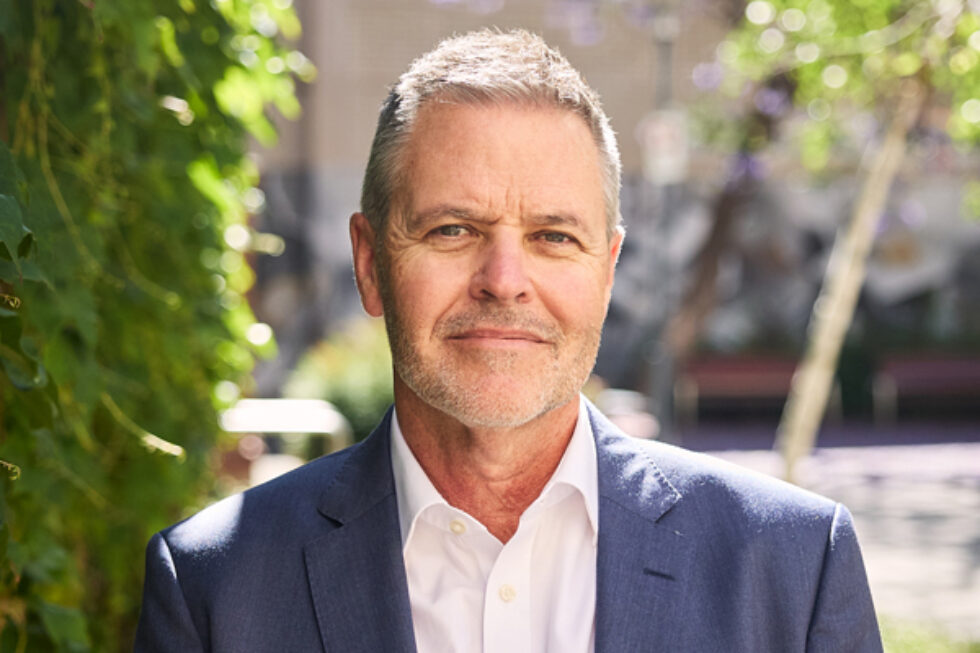
The first interview with Mark Goldstone — Chief Executive Officer with the City of Adelaide — was part of IPAA South Australia’s Virtual on the Couch series.

The second interview with Andrew Wear — Director of Economic Development at the City of Melbourne and author — was for the IPAA Victoria Public Sector Perspectives podcast.

In this article available through the IPAA National website we explore the unique experience of COVID-19 from the perspective of two different capital city councils. Read the full article here.

the Urban Impact of COVID-19 on Adelaide Vs Melbourne the Urban Impact of COVID-19 on Adelaide Vs Melbourne
the Urban Impact of COVID-19 on Adelaide Vs Melbourne
  • Home
  • Manager/Next-Exec

With the recent ease of some restrictions in SA, we have been working with our Divisional Council and stakeholders to map the path forward for the institute. As always, the wellbeing of our staff, facilitators, and members is of the utmost importance to us.

  • To ensure the safety and wellbeing of all members and partners of the institute we aim to commence face-to-face professional development as of 1st September 2020.
  • We are closely monitoring government advice and if necessary, we will change our delivery format accordingly. In the event that it is necessary to cancel a course, all fees will be refundable.
  • As face-to-face learning becomes available, we will continue to enact COVID safe policies and procedures as based on the advice of the Australian Health Protection Principal Committee (AHPPC).
  • We have implemented numerous steps to continuously provide a safe and healthy environment including reduced class sizes, extra spacing between desks, single serve catering and enhanced cleaning and sanitising practices.
  • For those enjoying the convenience and ease of online learning, we will continue to offer courses in a virtual format to ensure our members can attend courses in a format they are comfortable with and find most convenient.
  • Events and forums will continue in virtual formats until September 2020.
  • Over the coming weeks, we will continue to expand our range of available online training and events, to bring you relevant and useful learning to grow your capabilities.
  • We have already commenced offering face-to-face, online or mixed mode In-agency delivery of courses and programs in accordance with the individual policies of departments and organisations.

We would like to thank all our members for their commitment and contributions during this time and look forward to embedding all that we have learnt from this experience to continue working to improve the standing of the public sector in South Australia.

Kind Regards,

Renae Haese

Executive Director

IPAA SA

  • Home
  • Resources
  • Manager/Next-Exec

Forensic Psychologist, Luke Broomhall joins us in the latest instalment of the COVID-19 Wellbeing – Interview Series. Mr Broomhall shares his tips and advice for leaders, managers and team members on how they can look after their own mental health and that of others.

How can leaders check in on the mental health of their team members?

Mr Broomhall urges us to look out for behaviours that sit outside the norm for that person, such as bouts of tearfulness, withdrawal, or anger. If so be prepared to sit down and open up a conversation with this person on the behaviours, you have noticed.

You might like to start the conversation by saying…

“  [Name} I have noticed lately that you seem a bit more [describe the behaviour e.g. withdrawn and quiet] and [these goals or items haven’t been met] and I’m a bit concerned about you and I just want to know if you’re okay and if there’s anything I can do?”

The role of the manager or leader when handling the response to this question is to have a human response grounded in empathy, but to also understand what they can and can’t control, and in turn to provide resources for the individual to access that will support them. When you encounter a strong emotional response from an individual you can respond to them as described below:

  1. Demonstrate empathy for the emotion that is occurring by acknowledging the emotion exists and that you can see that they are experiencing this.
  2. Affirm that their experience of this emotion is valid and okay, and that you are there to listen and help in whatever ways that you can control.

“I understand you are feeling this way, tell me more about your experiences and what you are going through at the moment”

  1. Take the time to listen and not jump in too soon with solutions.
  2. Act to change what you can for the wellbeing of the individual and provide access to support resources and persons as needed.
Returning to the Workplace

In the transition back into the physical workplace there are several measures and tips that leaders and managers can employ to ease people into the ‘new normal’ of post-COVID-19 work.

  • Be patient while employees’ transition.
  • Ensure workplaces do not grow complacent with preventative COVID-19 measures.
  • Be aware that not all staff members will be positive about the return to the workplace and should be aware of this as a flag for potential issues around conflict, bullying and other concerns.
  • Encourage the access of Employee Assistance Programs for early intervention.
  • Develop and grow the mental health literacy of leaders and managers.
How Can We Help a Colleague or a Friend Who is Struggling?

We all want to be able to help and support our friends and colleagues when we can see they may be experiencing mental distress. Mr Broomhall shares that we can all take an active role in checking in with others during this time, but firstly you must:

  1. Fit your own oxygen mask first – make sure you are in a balanced and centered place and ask yourself continuously ‘Am I coping okay myself?’, as it is very hard to look after other people if we are in a difficult space ourselves.
  2. Focus on the behaviours you can see when discussing your concerns, refrain from saying that they seem more depressed or anxious, instead note that they may have been more withdrawn tearful, etc.
  3. Provide an opportunity for them to speak openly with you, for example go for a casual coffee or walk together building on social connection.


If you have had a chance to view this interview, please provide your thoughts here.

Top
IPAA South Australia

© Institute of Public
Administration Australia
South Australian Division 2026

  • Privacy
  • Disclaimer
  • Site map
  • IPAA SA Constitution
  • Contact
  • Networking

Connect with us

  • Facebook
  • Twitter
  • Youtube
  • Linkedin
  • Vimeo

© Institute of Public
Administration Australia
South Australian Division 2026

  • Privacy
  • Disclaimer
  • Site map
  • IPAA SA Constitution
  • Contact
  • Networking

Connect with us

  • Facebook
  • Twitter
  • Youtube
  • Linkedin
  • Vimeo

"*" indicates required fields

This field is for validation purposes and should be left unchanged.

Subscribe to our newsletter

Connect with us

  • Facebook
  • Twitter
  • Youtube
  • Linkedin
  • Vimeo

© Institute of Public
Administration Australia
South Australian Division 2026