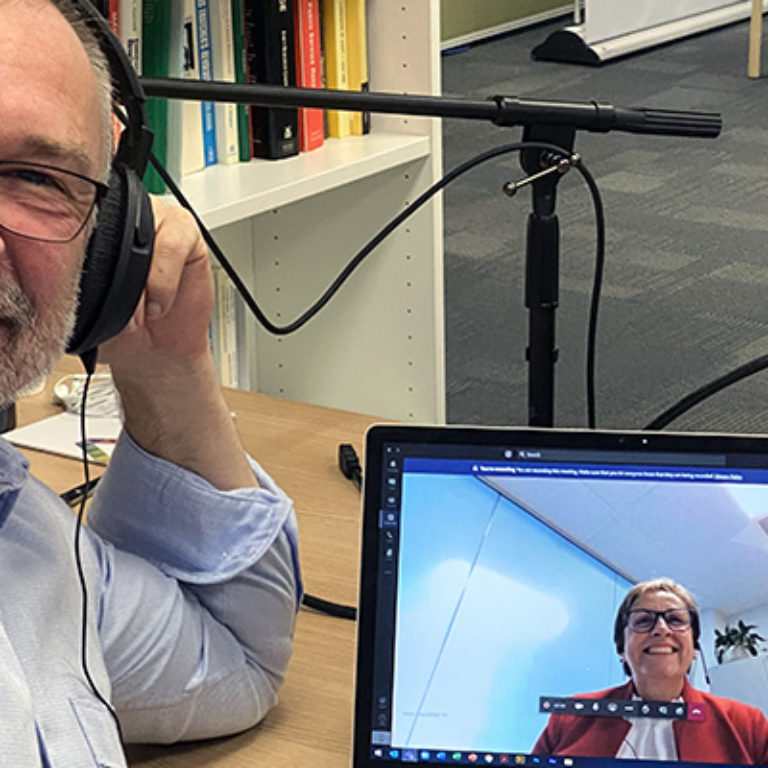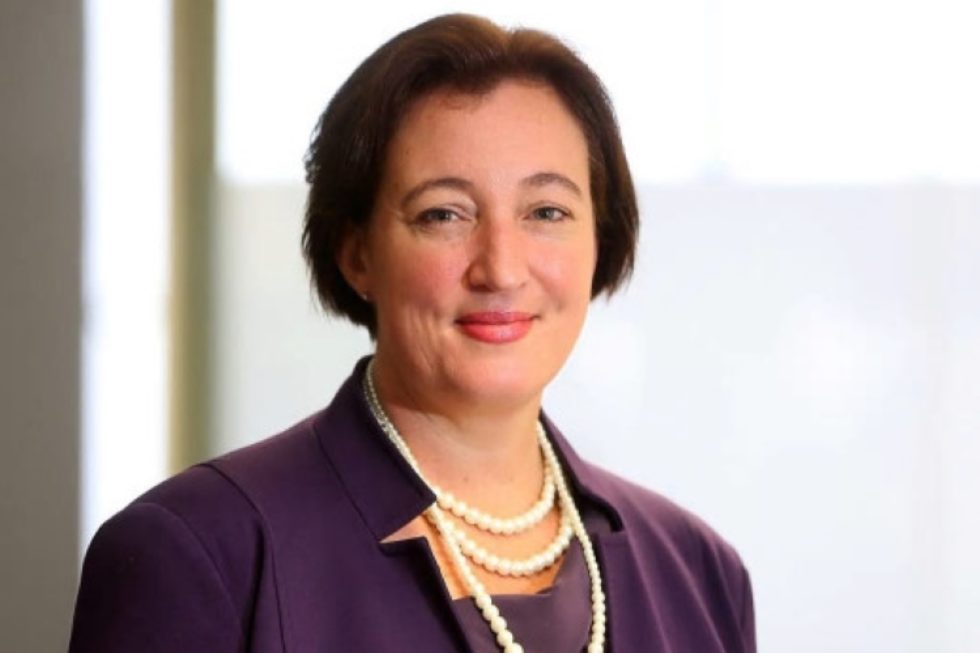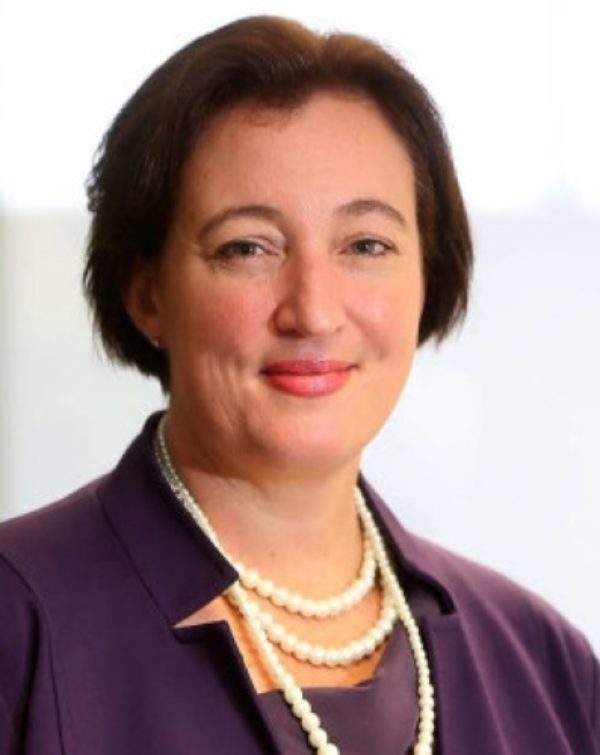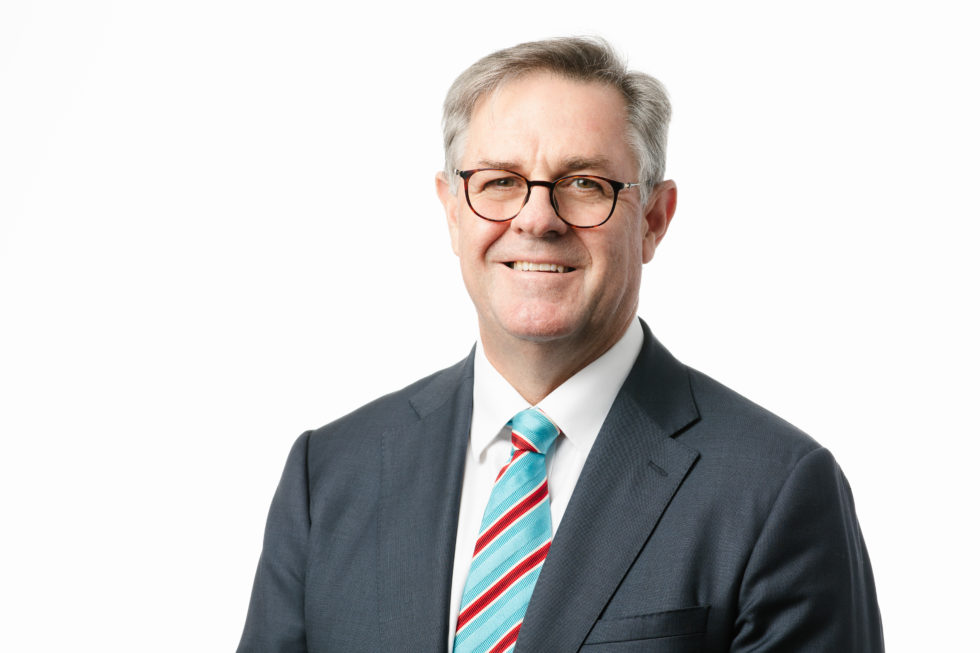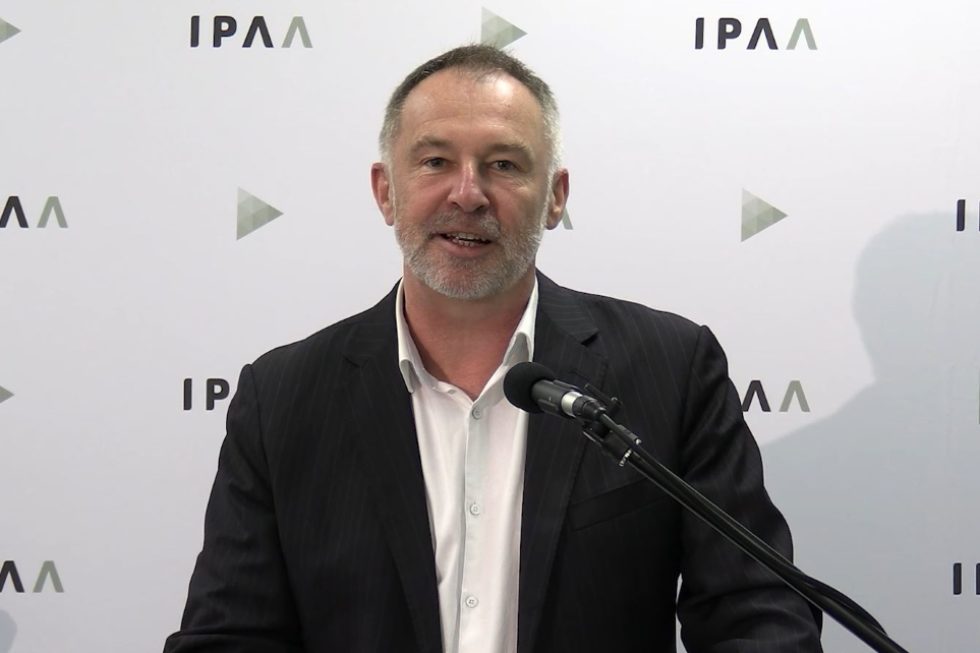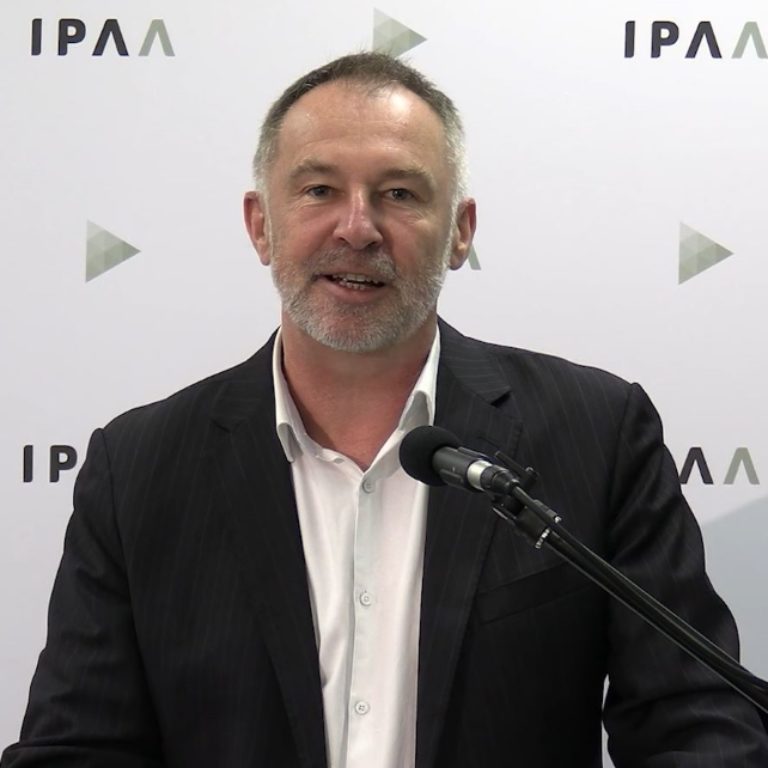
Erma Ranieri FIPAA, South Australia’s Commissioner for Public Sector Employment and IPAA SA President, joined IPAA ACT in the latest episode of their ‘Work with Purpose: A National Perspective’ podcast. In this interview Dr Gordon de Brouwer PSM FIPAA, IPAA National President, discussed the COVID-19 pandemic in South Australia.
“The clear message at the end of the day was that you keep talking to people”.
As highlighted by Commissioner Ranieri, while the pandemic presented a series of challenges it also showcased the real capability of the South Australian public sector.
“The innovation and resilience of the public sector were on display during this time, as they worked to support and collaborate with SA Health, SAPOL and other agencies to mobilise the sector to meet the unique needs of the pandemic. As the Mobilisation Coordinator, Commissioner Ranieri noted that this played a key role in the agile response to the pandemic.
“We have connected more than we have ever connected before”.
“COVID has shown what is possible within the public service”.
COVID-19 has also brought about a change to the existing paradigm for leadership and performance management in the workforce. The Commissioner is encouraged to see great outcomes in flexible work arrangements which are “reshaping the workforce to be more adaptable and diverse”. Commissioner Ranieri’s office and IPAA SA will continue to focus on fostering the skills and capabilities leaders need to adapt to this rapid shift in the workplace.
The Commissioner also highlighted the importance of awareness of mental health and wellbeing and the materials available to help leaders and employees to manage the COVID-19 pandemic:
The Office of the Commissioner for Public Sector Employment continues to work with agencies to implement a peer support program and develop an online training program for new peer support officers to build on the existing skills of employees trained in mental health first aid.
The COVID-19 Mental Wellbeing Interview Series, also offers valuable new resources for those working in the public service, with advice and tips from experts in the field
– COVID-19 Mental Wellbeing Interview Series with Forensic Psychologist, Luke Broomhall
– COVID-19 Mental Wellbeing Interview Series with Chief Psychiatrist, SA Health, Dr John Brayley
– Virtual on the Couch with Commissioner Erma Ranieri
– All Virtual on the Couch interviews
How are city administrations responding to the COVID-19 pandemic? And how might cities change as a result of the coronavirus?
Australia’s major cities have felt the full force of the health and economic crises brought on by the COVID-19 pandemic. It has challenged the assumptions of city officials towards the services they provide to the community, the way people interact within cities, and has come at significant financial cost to local governments.
Two recent interviews provide different perspectives on the impacts of COVID-19 to the cities and communities of Adelaide and Melbourne.
The first interview with Mark Goldstone — Chief Executive Officer with the City of Adelaide — was part of IPAA South Australia’s Virtual on the Couch series.
The second interview with Andrew Wear — Director of Economic Development at the City of Melbourne and author — was for the IPAA Victoria Public Sector Perspectives podcast.
In this article available through the IPAA National website we explore the unique experience of COVID-19 from the perspective of two different capital city councils. Read the full article here.
Forensic Psychologist, Luke Broomhall joins us in the latest instalment of the COVID-19 Wellbeing – Interview Series. Mr Broomhall shares his tips and advice for leaders, managers and team members on how they can look after their own mental health and that of others.
Mr Broomhall urges us to look out for behaviours that sit outside the norm for that person, such as bouts of tearfulness, withdrawal, or anger. If so be prepared to sit down and open up a conversation with this person on the behaviours, you have noticed.
You might like to start the conversation by saying…
“ [Name} I have noticed lately that you seem a bit more [describe the behaviour e.g. withdrawn and quiet] and [these goals or items haven’t been met] and I’m a bit concerned about you and I just want to know if you’re okay and if there’s anything I can do?”
The role of the manager or leader when handling the response to this question is to have a human response grounded in empathy, but to also understand what they can and can’t control, and in turn to provide resources for the individual to access that will support them. When you encounter a strong emotional response from an individual you can respond to them as described below:
“I understand you are feeling this way, tell me more about your experiences and what you are going through at the moment”
In the transition back into the physical workplace there are several measures and tips that leaders and managers can employ to ease people into the ‘new normal’ of post-COVID-19 work.
We all want to be able to help and support our friends and colleagues when we can see they may be experiencing mental distress. Mr Broomhall shares that we can all take an active role in checking in with others during this time, but firstly you must:
If you have had a chance to view this interview, please provide your thoughts here.
The Australian and New Zealand School of Government (ANZSOG) will be presenting a three-part webinar series on ‘Leading People Through Disruption’, beginning on 25 August 2020.
The series will be presented by Dr Jo Cribb — one of the youngest people ever appointed as a chief executive in the New Zealand public service in 2012. Her work has focused on advancing the cause of vulnerable in society, spearheading some of the most difficult issues of our time, including child abuse, child poverty, family violence and vulnerable women.
The webinar series will give participants insights into how to make decisions during a time of crisis and maintain an inclusive and positive style of leadership.
Dr Cribb said that effective leaders created change in a values-based way, and the best were able to empower their staff and admit the limits of their own knowledge and ability.
‘Leadership is about mobilisation, bringing people together and making things better than they were before. You can have that influence at every level and everyone can be part of the leadership team’.
Dr Cribb also said that organisations were too complex and the problems that they had to deal with were too difficult for one person to have all the answers. Leaders needed to be honest and admit they don’t know everything —something particular true in the context of the COVID-19 crisis.
‘It is really important for authorities to be honest about what they don’t know when they communicate with the public.
This has been the experience in New Zealand and it has actually strengthened trust in government. We have been able to communicate really complex judgement-based policies and do so effectively.’
The first webinar will focus on leading people through disruption (25 August 2020).
The second webinar will explore what it means to be an inclusive leader under pressure (3 September 2020).
And the third webinar will look at ways to build an inclusive culture during crises (17 September 2020).
Those interested in participating in this series can register on the ANZSOG website.
Author: Frank Exon, Executive Director, IPAA National
For Chief Executive, Department for Health and Wellbeing, Dr Chris McGowan, the pandemic response has been a showcase of collaboration and innovation. In this Virtual on the Couch interview, Dr Chris McGowan discussed how his department structured their response to the COVID-19 pandemic by identifying 6 streams of work to achieve their 3 goals being “Flatten the Curve, Optimise the Public Health System and Keep Public Confidence”. Dr McGowan was interviewed by Tricia Tebbutt, Partner, PwC, where they explored Dr McGowan’s insights into the pandemic and responded to questions from the IPAA SA community and broader public sector.
Questions to Dr McGowan included…
As highlighted by Dr McGowan, support for emerging and developing leaders is essential. Learning and capability development is an important steppingstone in the leadership journey, providing the opportunity for self-reflection and growth. If you would like to learn more about leadership training opportunities are available both through the South Australian Leadership Academy and IPAA SA.
If you have watched this interview please feel free to leave your feedback and comments here.
For Chief Executive, Department for Health and Wellbeing, Dr Chris McGowan, the pandemic response has been a showcase of collaboration and innovation. In this Virtual on the Couch interview, Dr Chris McGowan discussed how his department structured their response to the COVID-19 pandemic by identifying 6 streams of work to achieve their 3 goals being “Flatten the Curve, Optimise the Public Health System and Keep Public Confidence”. Dr McGowan was interviewed by Tricia Tebbutt, Partner, PwC, where they explored Dr McGowan’s insights into the pandemic and responded to questions from the IPAA SA community and broader public sector.
Questions to Dr McGowan included…
As highlighted by Dr McGowan, support for emerging and developing leaders is essential. Learning and capability development is an important steppingstone in the leadership journey, providing the opportunity for self-reflection and growth. If you would like to learn more about leadership training opportunities are available both through the South Australian Leadership Academy and IPAA SA.

If you have watched this interview please feel free to leave your feedback and comments here.
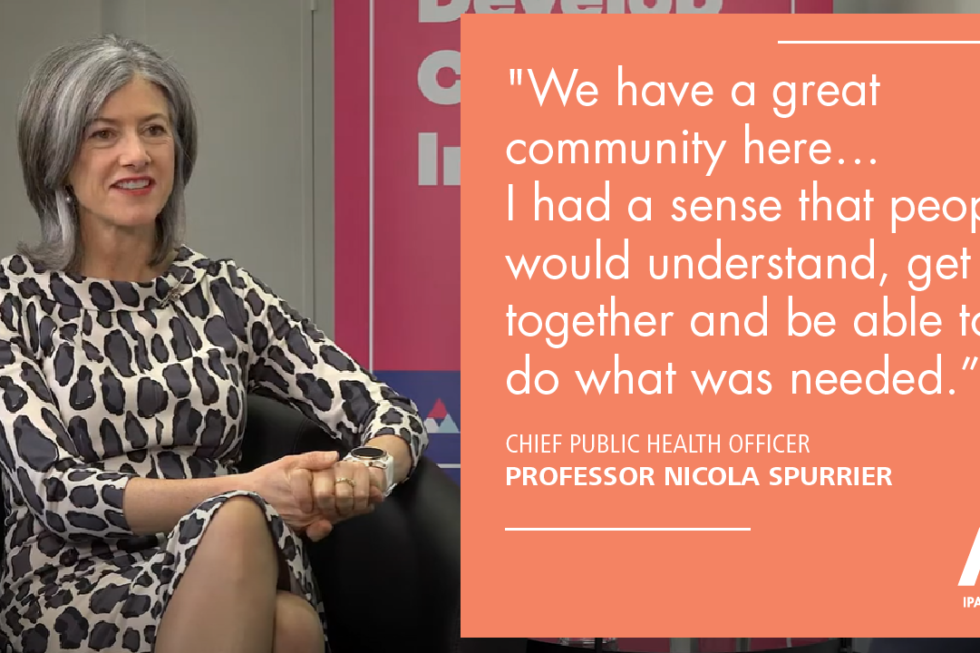
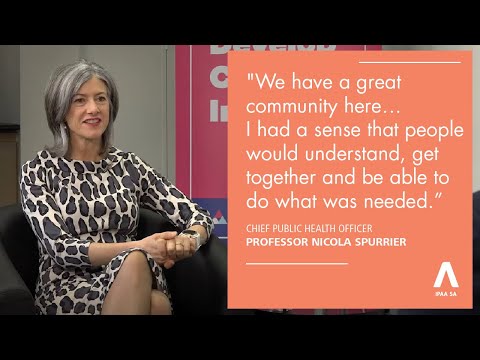
Chief Public Health Officer, SA Health, Professor Nicola Spurrier has joined us virtually ‘On the Couch’ to share how the response to COVID-19 has evolved over the course of the year, and in turn what the future may look like as we face a new “normal”. Professor Spurrier highlights the fantastic work of her team and supporting organisations, as well as the commitment of everyone in the state to suppressing the spread of the virus through social distancing and other restrictions.
“we have a great community here….I had a sense that people would understand, get together and be able to do what was needed”
Professor Spurrier was interviewed by Adelaide Managing Partner, PwC, Jamie Briggs, where they explored responses to the following questions.
Leave your feedback on this event here.
Chief Public Health Officer, SA Health, Professor Nicola Spurrier has joined us virtually ‘On the Couch’ to share how the response to COVID-19 has evolved over the course of the year, and in turn what the future may look like as we face a new “normal”. Professor Spurrier highlights the fantastic work of her team and supporting organisations, as well as the commitment of everyone in the state to suppressing the spread of the virus through social distancing and other restrictions.
“we have a great community here….I had a sense that people would understand, get together and be able to do what was needed”
Professor Spurrier was interviewed by Adelaide Managing Partner, PwC, Jamie Briggs, where they explored responses to the following questions.
Leave your feedback on this event here.
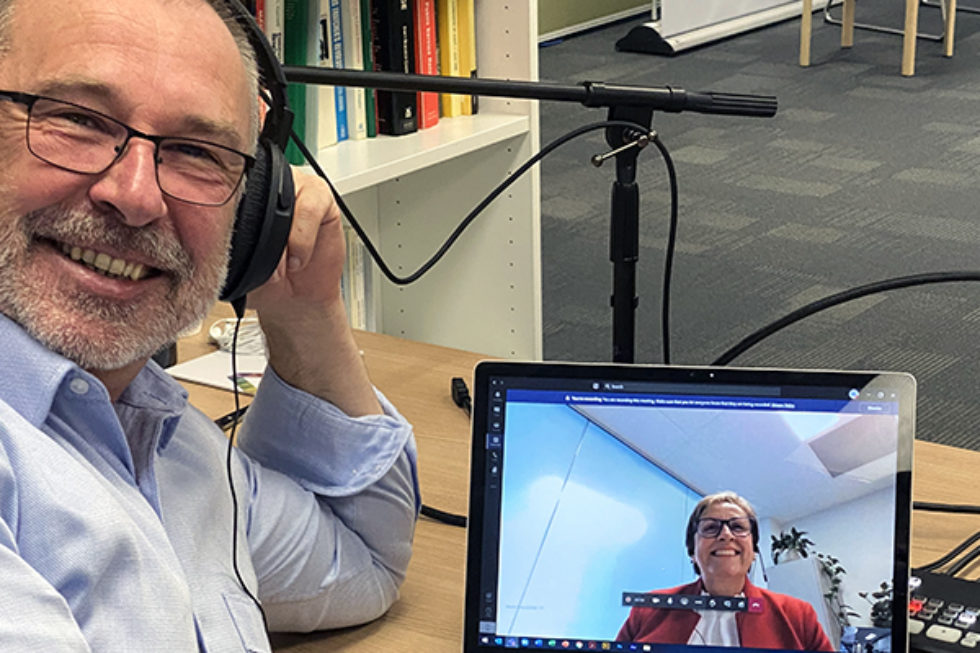
In a recent address to staff of the Queensland Department of Natural Resources, Mines and Energy, IPAA National President, Dr Gordon de Brouwer PSM, spoke about the profound impact of the COVID-19 pandemic on public services across Australia, and highlighted the importance of telling the stories of public service at the state, territory and national levels.
Gordon began by congratulating and thanking the public servants of Queensland and of Australia for their work during the pandemic:
‘You’ve made a profound contribution during a major health, social and economic crisis to protect and improve the lives of the Queensland and the Australian people — well done, and thank you.’
Gordon paid tribute to the speed, collaboration, and effectiveness that public services across Australia have shown in delivering their governments’ responses to COVID-19, and their capacity to ‘think creatively and to act, to change quickly and to do things differently’.
He recognised the importance of digital technology in dealing with the pandemic, both in alternatives to face-to-face engagement and in rapidly making more data available to inform government decision making. And he observed that ‘ministers and public servants have found that they could only do their job with others: be it within their own government, other governments in the federation, or with business and the community’.
Read the full article for free on the IPAA National Website.
In a recent address to staff of the Queensland Department of Natural Resources, Mines and Energy, IPAA National President, Dr Gordon de Brouwer PSM, spoke about the profound impact of the COVID-19 pandemic on public services across Australia, and highlighted the importance of telling the stories of public service at the state, territory and national levels.
Gordon began by congratulating and thanking the public servants of Queensland and of Australia for their work during the pandemic:
‘You’ve made a profound contribution during a major health, social and economic crisis to protect and improve the lives of the Queensland and the Australian people — well done, and thank you.’
Gordon paid tribute to the speed, collaboration, and effectiveness that public services across Australia have shown in delivering their governments’ responses to COVID-19, and their capacity to ‘think creatively and to act, to change quickly and to do things differently’.
He recognised the importance of digital technology in dealing with the pandemic, both in alternatives to face-to-face engagement and in rapidly making more data available to inform government decision making. And he observed that ‘ministers and public servants have found that they could only do their job with others: be it within their own government, other governments in the federation, or with business and the community’.
Read the full article for free on the IPAA National Website.