• Become a member
  • FAQs
  • Contact
  • Facebook
  • Twitter
  • Youtube
  • Linkedin
  • Vimeo
IPAA South Australia
  • Membership
  • About
    • People
    • History
    • IPAA National
  • News
  • Resources
  • Events and Workshops
    • Upcoming events and workshops
    • On the Couch Series
    • Events archive
    • Event management services
  • Training
    • Training Calendar
    • Extended Series
    • Career Pathways
    • View All Courses
    • In-Agency Programs
    • Professional Development Vouchers
IPAA South Australia
  • Membership
  • About
    • People
    • History
    • IPAA National
  • News
  • Resources
  • Events and Workshops
    • Upcoming events and workshops
    • On the Couch Series
    • Events archive
    • Event management services
  • Training
    • Training Calendar
    • Extended Series
    • Career Pathways
    • View All Courses
    • In-Agency Programs
    • Professional Development Vouchers
  • Become a member
  • FAQs
  • Contact
  • Facebook
  • Twitter
  • Youtube
  • Linkedin
  • Vimeo
  • Home
  • Resources
  • Adaptive Leadership & Management

“The way we’ve performed in South Australia is a credit to the community of South Australia and I don’t think that can be overstated”.

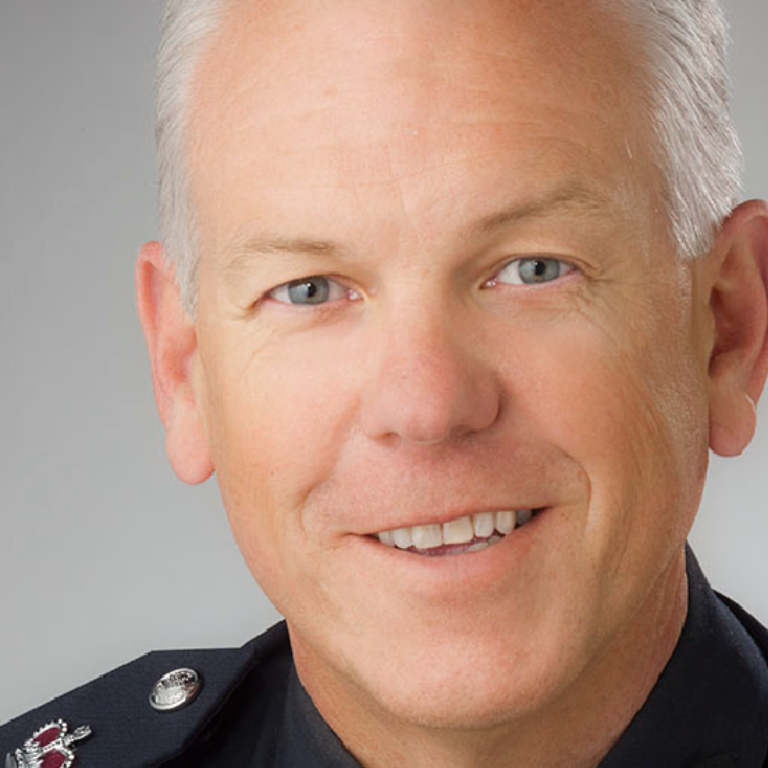
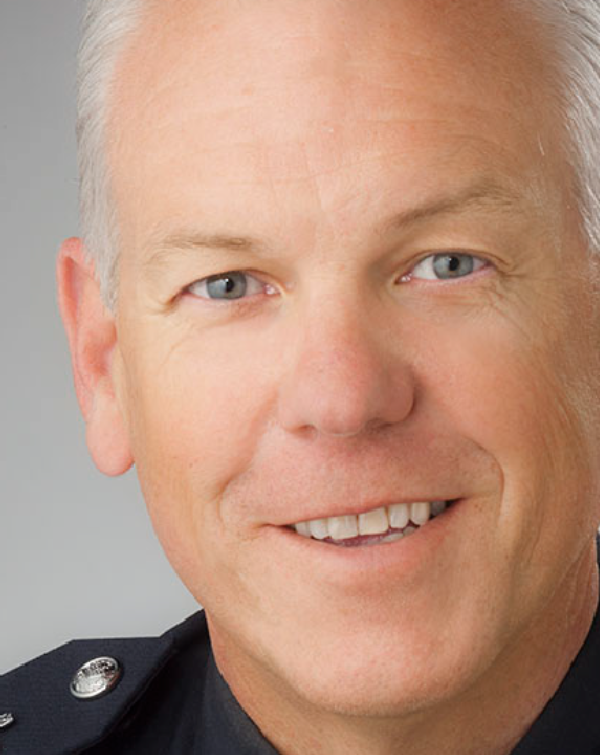
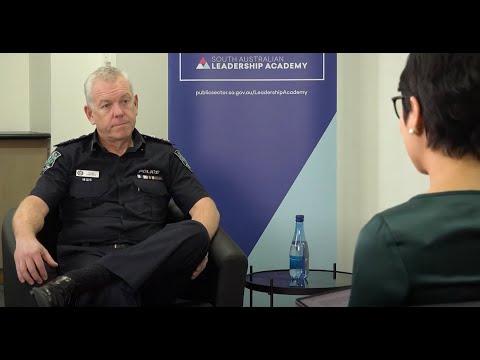
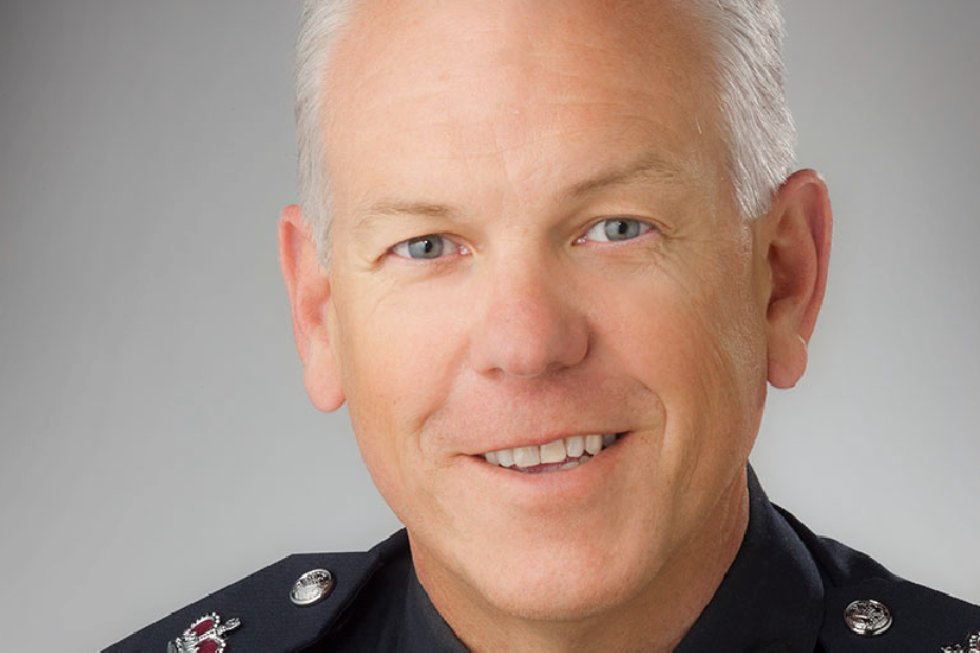
South Australia Police, Commissioner, Grant Stevens APM praised the efforts of the Public Sector and the broader community in their response to the COVID-19 crisis. Commissioner Stevens also shared with us his calm and diligent approach in managing this pandemic in his key role as State Coordinator.

With the easing of restrictions, the Commissioner also reflected on the three elements of the SA COVID response which have paved the way to where we are now, which is;

  1. What the community have done;
  2. The moderate approach we took to start with;
  3. How we as a police service have worked with the community rather than force it upon them.

Commissioner Stevens was interviewed by Imelda Alexopoulos, Partner, PwC where they explored the below questions:
  • What were your key focus areas when you set about tackling the task and what has been the biggest challenge in having to undertake that role?
  • What do you think are the key leadership qualities and behaviours that leaders really need to be displaying in times of crisis?
  • Having experienced [the loss of Superintendent Joanne Shanahan] firsthand and not being able to pay your respects in the usual way, has that given you a different perspective on the impact restrictions are having on the broader community?
  • Given the current restrictions regarding isolation has SAPOL seen an increase or impact in the numbers of crime in general?
  • What other factors do you think contribute to the success [of the approach to COVID-19 restrictions in SA]?
  • Has SAPOL had to innovate or do things differently in order to serve the community?
  • What does the three-stage plan mean for SAPOL and how do you feel about the outlook in terms of being able to implement and executive that three-stage ease of restrictions?
  • We have now seen over 5.2 million downloads of the COVID-SAFE app nationally. What does that mean in terms of being able to ease restrictions and being able to move back to normality?
  • Policing the borders must be extremely difficult. What measures have you put in place for areas where there are less police officers?
  • What was the SAPOL experience [of flexible work] during COVID-19 and do you think this will continue?
  • How prepared were we as a state, for the pandemic?
  • If you were to stay somewhere in South Australia on holiday where would that be?


Disclaimer: This video contains an unedited transcript

If you have had a chance to view this interview, please provide your thoughts here.

Connect with us now on Facebook, LinkedIn and Twitter to be the first to hear about new interviews and resources.

  • Home
  • Adaptive Leadership & Management

“The way we’ve performed in South Australia is a credit to the community of South Australia and I don’t think that can be overstated”.

South Australia Police, Commissioner, Grant Stevens APM praised the efforts of the Public Sector and the broader community in their response to the COVID-19 crisis. Commissioner Stevens also shared with us his calm and diligent approach in managing this pandemic in his key role as State Coordinator.

With the easing of restrictions, the Commissioner also reflected on the three elements of the SA COVID response which have paved the way to where we are now, which is;

  1. What the community have done;
  2. The moderate approach we took to start with;
  3. How we as a police service have worked with the community rather than force it upon them.

Commissioner Stevens was interviewed by Imelda Alexopoulos, Partner, PwC where they explored the below questions:

  • What were your key focus areas when you set about tackling the task and what has been the biggest challenge in having to undertake that role?
  • What do you think are the key leadership qualities and behaviours that leaders really need to be displaying in times of crisis?
  • Having experienced [the loss of Superintendent Joanne Shanahan] firsthand and not being able to pay your respects in the usual way, has that given you a different perspective on the impact restrictions are having on the broader community?
  • Given the current restrictions regarding isolation has SAPOL seen an increase or impact in the numbers of crime in general?
  • What other factors do you think contribute to the success [of the approach to COVID-19 restrictions in SA]?
  • Has SAPOL had to innovate or do things differently in order to serve the community?
  • What does the three-stage plan mean for SAPOL and how do you feel about the outlook in terms of being able to implement and executive that three-stage ease of restrictions?
  • We have now seen over 5.2 million downloads of the COVID-SAFE app nationally. What does that mean in terms of being able to ease restrictions and being able to move back to normality?
  • Policing the borders must be extremely difficult. What measures have you put in place for areas where there are less police officers?
  • What was the SAPOL experience [of flexible work] during COVID-19 and do you think this will continue?
  • How prepared were we as a state, for the pandemic?
  • If you were to stay somewhere in South Australia on holiday where would that be?

Disclaimer: This video contains an unedited transcript

If you have had a chance to view this interview, please provide your thoughts here.

Connect with us now on Facebook, LinkedIn and Twitter to be the first to hear about new interviews and resources.

  • Home
  • Resources
  • Adaptive Leadership & Management

To help you stay informed during COVID-19, IPAA SA, the South Australian Leadership Academy (Office of the Commissioner for Public Sector Employment) and PwC are pleased to offer the Virtual On the Couch Series.

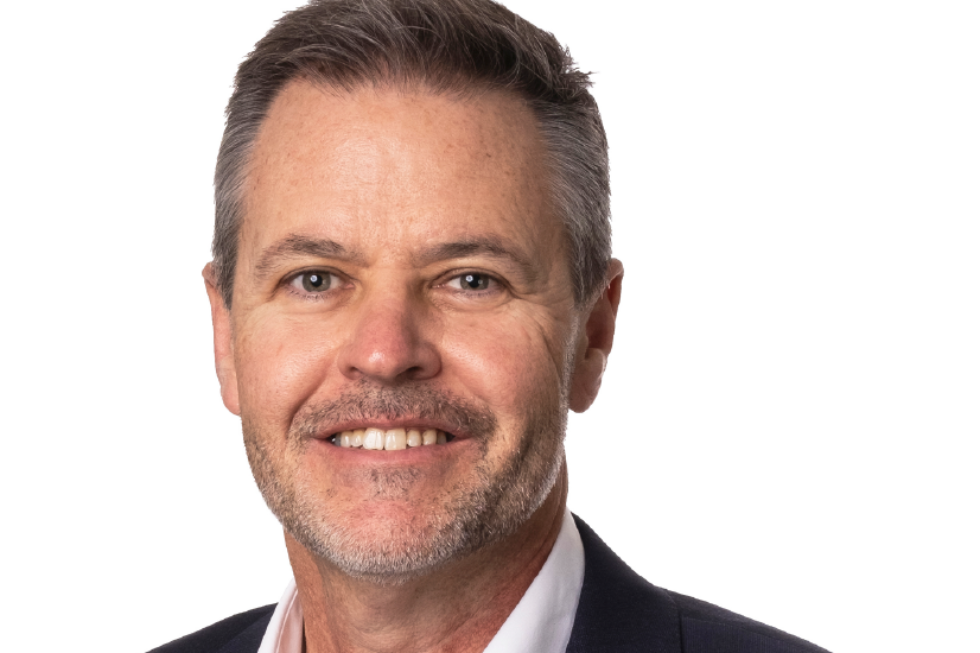
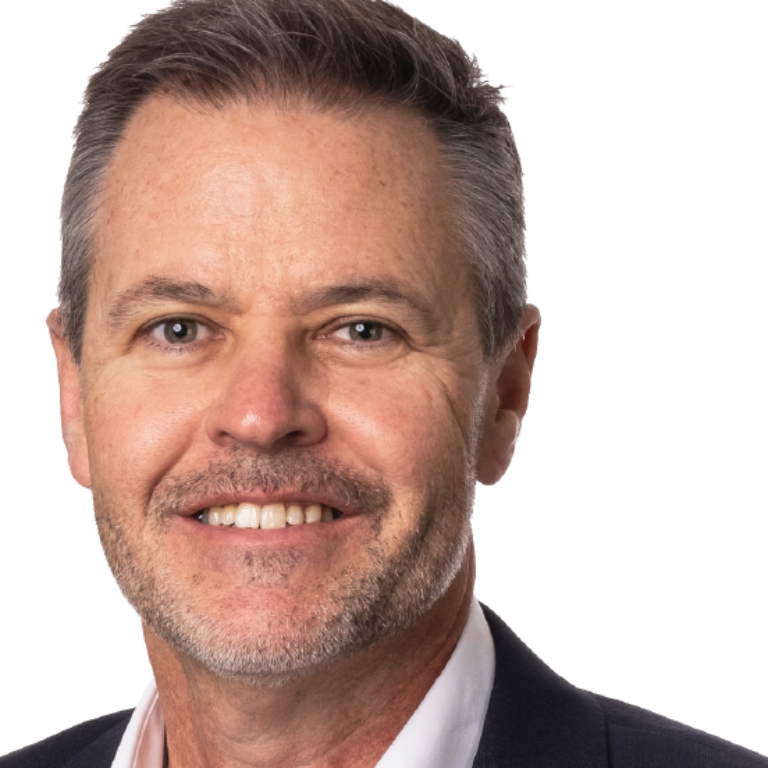
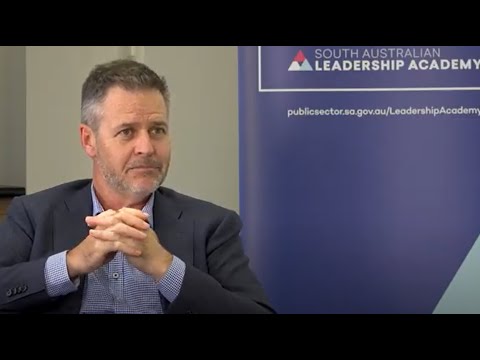
This Virtual On the Couch session we had the opportunity to hear from Chief Executive, Department for Education, Rick Persse on his views on the challenges of responding to COVID-19 in the education sector. Mr Persse expressed great positivity in South Australia’s response to the pandemic and what this means for our children returning to school in Term 2. Mr Persse was interviewed by Jamie Briggs, Adelaide Managing Partner, PwC where they explored the following questions:
  • What’s the current outlook for the state with the return of school?
  • How has the decision to return to the classroom been informed?
  • How important is the ‘element of normal’ for young people, especially for our year 12’s?
  • From a public sector perspective how have your interactions with colleagues in other states and departments in similar positions changed?
  • Do you think the positive changes and new efficiencies we have seen emerging will stay after the crisis period ends?
  • How are you communicating with teaching professionals to manage increased stress and demands?
  • How is thinking turning at the government level to ‘switching back on’, what are your observations in this area?
  • What do you feel you have learned over the last few weeks about managing a crisis?
  • How have you found the experience of forced change in your department?
  • What is the biggest takeaway from this epidemic that could be applied to the education perspective?
  • What do you think the classroom of 2021-22 will look like given recent events, will it impact class size?
  • What are your thoughts on the impact of changes to families work circumstance affecting choices in school for public and private sector?
  • Will 2020 end better than it has begun?


disclaimer: This video contains an unedited transcript

Links and Resources

Australian Health Protection Principal Committee

Letter from the Chief Public Health Officer

Schools Open For Term Two – Media Release

Learning in Term 2 – Department for Education

  • Home
  • Adaptive Leadership & Management

To help you stay informed during COVID-19, IPAA SA, the South Australian Leadership Academy (Office of the Commissioner for Public Sector Employment) and PwC are pleased to offer the Virtual On the Couch Series.

This Virtual On the Couch session we had the opportunity to hear from Chief Executive, Department for Education, Rick Persse on his views on the challenges of responding to COVID-19 in the education sector. Mr Persse expressed great positivity in South Australia’s response to the pandemic and what this means for our children returning to school in Term 2. Mr Persse was interviewed by Jamie Briggs, Adelaide Managing Partner, PwC where they explored the following questions:

  • What’s the current outlook for the state with the return of school?
  • How has the decision to return to the classroom been informed?
  • How important is the ‘element of normal’ for young people, especially for our year 12’s?
  • From a public sector perspective how have your interactions with colleagues in other states and departments in similar positions changed?
  • Do you think the positive changes and new efficiencies we have seen emerging will stay after the crisis period ends?
  • How are you communicating with teaching professionals to manage increased stress and demands?
  • How is thinking turning at the government level to ‘switching back on’, what are your observations in this area?
  • What do you feel you have learned over the last few weeks about managing a crisis?
  • How have you found the experience of forced change in your department?
  • What is the biggest takeaway from this epidemic that could be applied to the education perspective?
  • What do you think the classroom of 2021-22 will look like given recent events, will it impact class size?
  • What are your thoughts on the impact of changes to families work circumstance affecting choices in school for public and private sector?
  • Will 2020 end better than it has begun?

disclaimer: This video contains an unedited transcript

Links and Resources

Australian Health Protection Principal Committee

Letter from the Chief Public Health Officer

Schools Open For Term Two – Media Release

Learning in Term 2 – Department for Education

  • Home
  • Adaptive Leadership & Management

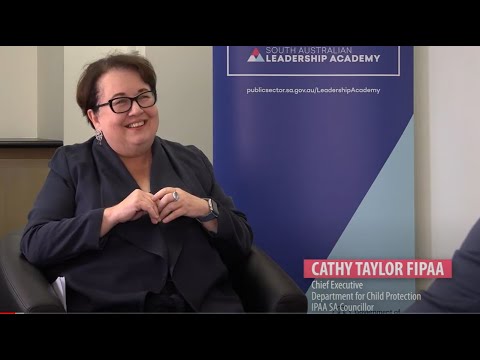
“We don’t want to leave any child in an at-risk situation”, Chief Executive, Department for Child Protection, Cathy Taylor FIPAA, emphasised this as being at the heart of her department’s response to COVID-19.

Ms Taylor also shared her insights on the challenges and opportunities her department is experiencing, and how they can continue to deliver services whilst keeping people safe.

Ms Taylor explored the below questions during this interview with Mark Thomson, Partner, PwC, throughout praising the overwhelmingly positive response from the community, NGO’s and her department.

  • The need for child protection doesn’t stop because of the coronavirus. What are you seeing in the world of child protection at the moment?
  • Given what you are seeing how has this event impacted your department?
  • At a very local level what have been your key focus areas, challenges and key initiatives of your department during this time?
  • What are you seeing on the ground and at the government level around this conversation?
  • Has data been elevated in importance for you through this event and do you think there are learnings for society about data? Has such a need arisen the space of Child Protection?
  • Crises can often kindle people’s innovation, strength, spirit and resilience. Which we are seeing on a daily basis as small businesses in particular innovate. What positive outcomes have you seen come out of the coronavirus?
  • What advice would you give to those leading teams at the moment?
  • Are there any leadership frameworks, models and mantras that you find particularly helpful during these times?
  • Given that there’s most likely some increased costs for carers in terms of access to Internet, technology devices and the like. Is there a plan to address this issue moving forward?
  • Those who are in processes such as foster care applications or any other involvement in the sector, should they expect any difference in sort of the timeframes that those processes typically run?

Resources

Can We Declare a COVID Dividend, by Martin Stewart Weeks – as mentioned

COVID-19 one-off cash boost for our foster and kinship carers – Media release from Rachel Sanderson MP – as mentioned
Disclaimer: This video contains an unedited transcript

If you have had a chance to view this interview, please provide your thoughts here.

Connect with us now on Facebook, LinkedIn and Twitter to be the first to hear about new interviews and resources.


  • Home
  • Resources
  • Adaptive Leadership & Management

“We don’t want to leave any child in an at-risk situation”, Chief Executive, Department for Child Protection, Cathy Taylor FIPAA, emphasised this as being at the heart of her department’s response to COVID-19.

Ms Taylor also shared her insights on the challenges and opportunities her department is experiencing, and how they can continue to deliver services whilst keeping people safe.

Ms Taylor explored the below questions during this interview with Mark Thomson, Partner, PwC, throughout praising the overwhelmingly positive response from the community, NGO’s and her department.

  • The need for child protection doesn’t stop because of the coronavirus. What are you seeing in the world of child protection at the moment?
  • Given what you are seeing how has this event impacted your department?
  • At a very local level what have been your key focus areas, challenges and key initiatives of your department during this time?
  • What are you seeing on the ground and at the government level around this conversation?
  • Has data been elevated in importance for you through this event and do you think there are learnings for society about data? Has such a need arisen the space of Child Protection?
  • Crises can often kindle people’s innovation, strength, spirit and resilience. Which we are seeing on a daily basis as small businesses in particular innovate. What positive outcomes have you seen come out of the coronavirus?
  • What advice would you give to those leading teams at the moment?
  • Are there any leadership frameworks, models and mantras that you find particularly helpful during these times?
  • Given that there’s most likely some increased costs for carers in terms of access to Internet, technology devices and the like. Is there a plan to address this issue moving forward?
  • Those who are in processes such as foster care applications or any other involvement in the sector, should they expect any difference in sort of the timeframes that those processes typically run?

Resources

Can We Declare a COVID Dividend, by Martin Stewart Weeks – as mentioned

COVID-19 one-off cash boost for our foster and kinship carers – Media release from Rachel Sanderson MP – as mentioned


Disclaimer: This video contains an unedited transcript

If you have had a chance to view this interview, please provide your thoughts here.

Connect with us now on Facebook, LinkedIn and Twitter to be the first to hear about new interviews and resources.
  • Home
  • Adaptive Leadership & Management

Anxiety and psychological distress are on the rise as our workforce adapts to the COVID-19 pandemic. More so than ever now is a time for leaders to shine through to guide and support their teams through these challenging times. Some leaders more so than others are better equipped to manage their staff virtually, but as most organisations don’t educate leaders on this area, many will struggle to adapt and find their feet in this new world.

Leadership during a pandemic is new and untested, where we are learning on the fly what does and does not work to manage staff in the virtual world. Human Psyhcology have shared with us essential advice for managers and team leaders in helping their team adapt. This includes;

  • Basic needs and technology use
  • Communication
  • Change benchmarks and engagement strategies
  • Mental health
  • Silver linings
  • Support

You can read and download the full tip sheet here.

  • Home
  • Resources
  • Adaptive Leadership & Management

Anxiety and psychological distress are on the rise as our workforce adapts to the COVID-19 pandemic. More so than ever now is a time for leaders to shine through to guide and support their teams through these challenging times. Some leaders more so than others are better equipped to manage their staff virtually, but as most organisations don’t educate leaders on this area, many will struggle to adapt and find their feet in this new world.

Leadership during a pandemic is new and untested, where we are learning on the fly what does and does not work to manage staff in the virtual world. Human Psyhcology have shared with us essential advice for managers and team leaders in helping their team adapt. This includes;

  • Basic needs and technology use
  • Communication
  • Change benchmarks and engagement strategies
  • Mental health
  • Silver linings
  • Support

You can read and download the full tip sheet here.

  • Home
  • Resources
  • Adaptive Leadership & Management

We know how important it is to care for the mental health of your team and colleagues during challenging times, however we cannot understate the importance of caring for the mental wellbeing of family members. With social isolation, families, whether living in the same household, or split over distance undergo significant stress and challenges in adapting to the COVID-19 pandemic. Our friends at Human Psychology have shared with us some of the best advice for parents and families to cope with the new stresses of recent times.

Talking with Children About COVID-19

There is a common misconception that talking with children and young people about a topic such as COVID-19 may increase anxiety. However, research suggests it may have the opposite effect. For children not having information is scary and many children will fill in the blanks with their own imagination-often imagining something far worse than the truth. Older children may take to the internet and social media for their answers, which can sometimes become overwhelming or misleading.

Download the full Parent Tip Sheet here

Tips for Your and Your Family to Cope with Home Isolation

Times are very uncertain at the moment and many people are being asked to make lifestyle changes to help society work through COVID-19. For many of us, these changes include working from home and restricting the amount of time we spend socially interacting.

Social isolation can pose various challenges for our mental health. As social beings, we need social interaction and connectedness. Spending time isolated by ourselves limits the positive distractions available to us to dilute the amount of time we might stress over COVID-19.

Download the full Tip Sheet here, to find advice, ideas and inspiration for coping with Home Isolation

  • Home
  • Events
  • Adaptive Leadership & Management
Top
IPAA South Australia

© Institute of Public
Administration Australia
South Australian Division 2026

  • Privacy
  • Disclaimer
  • Site map
  • IPAA SA Constitution
  • Contact
  • Networking

Connect with us

  • Facebook
  • Twitter
  • Youtube
  • Linkedin
  • Vimeo

© Institute of Public
Administration Australia
South Australian Division 2026

  • Privacy
  • Disclaimer
  • Site map
  • IPAA SA Constitution
  • Contact
  • Networking

Connect with us

  • Facebook
  • Twitter
  • Youtube
  • Linkedin
  • Vimeo
  • Subscribe to our newsletter

  • This field is for validation purposes and should be left unchanged.

Connect with us

  • Facebook
  • Twitter
  • Youtube
  • Linkedin
  • Vimeo

© Institute of Public
Administration Australia
South Australian Division 2026