“It provided a lot of things to think about and adapt.”
-
As a contribution to the celebration of history, culture and achievements of Aboriginal and Torres Strait Islander peoples that is NAIDOC Week 2020, Wiley recently interviewed a number of researchers to see what led them to work with Aboriginal and Torres Strait Islander communities, the opportunities their research brings to communities, and what this year’s NAIDOC Week theme — ‘Always Was, Always Will Be’ — means to them.

Dr Emma Lee
Aboriginal and Torres Strait Islander Research Fellow, Adjunct Lecturer
Centre for Social Impact, Swinburne University of Technology
Dr Emma Lee is a trawlwulwuy woman of tebrakunna country, north-east Tasmania.
As an Aboriginal researcher, Dr Lee’s fields of work are ‘anchored in country and all the threads and parts that allow me to care for it’. She often publishes under the authorship of ‘tebrakunna country and Lee, E.’ to denote country as a co-author and to signal an Indigenous practice of centring identity connected to place.
‘I work in land and sea governance and management, policy and regulatory environments, and social impacts of Indigenous-led regional development.
My current research is focused on establishing a market for cultural fisheries in Tasmania, where we are able to use our cultural strengths and assets of connections to sea country to build strong and healthy communities alongside sustainable business.’
Country and research has also led Dr Lee into democracy, voice and self-determination projects. She is a sitting member to the National Co-Design Group, Australian Government, for developing models for a Voice to Parliament.
‘It is of the highest honour to engage with this level of public service and build on the many Indigenous, and other Australian, voices who are creating the good negotiating environment that allow for transparent, inclusive and diverse democracy.’
Wiley has brought together a collection of over 80 research papers from its stable of journals as contribution to NAIDOC Week.
The collection includes Dr Emma Lee’s 2015 paper on protected areas, country and value, Professor Catherine Althaus’ 2020 paper on different paradigms of evidence and knowledge, and Dr Michael Doyle’s 2020 paper on the onset and trajectory of alcohol and other drug use among Aboriginal men entering a prison treatment program.
The full collection, and transcripts of the full interviews with these researchers and many others, can be accessed from Wiley’s NAIDOC 2020 website.
The ‘Always Was, Always Will Be’ Collection spans the fields of:
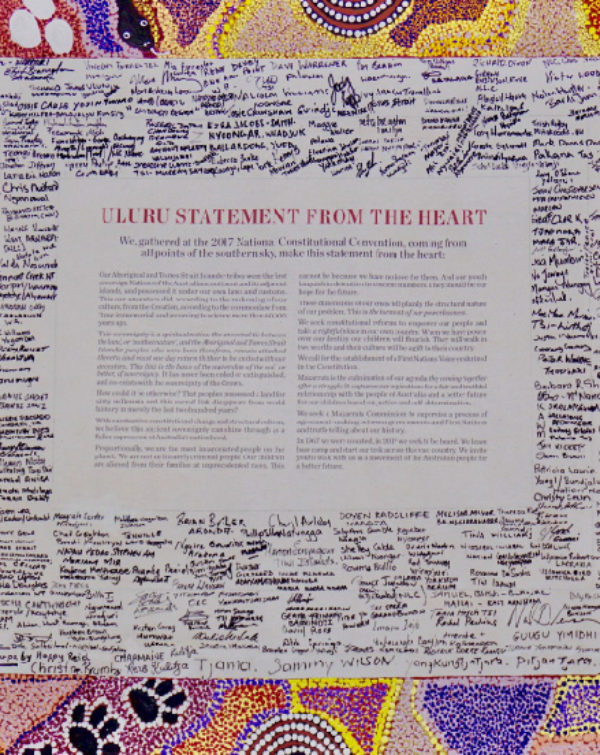
The Uluru Statement from the Heart is an invitation to the Australian people from Aboriginal and Torres Strait Islander peoples to “walk with us in a movement of the Australian people for a better future”.
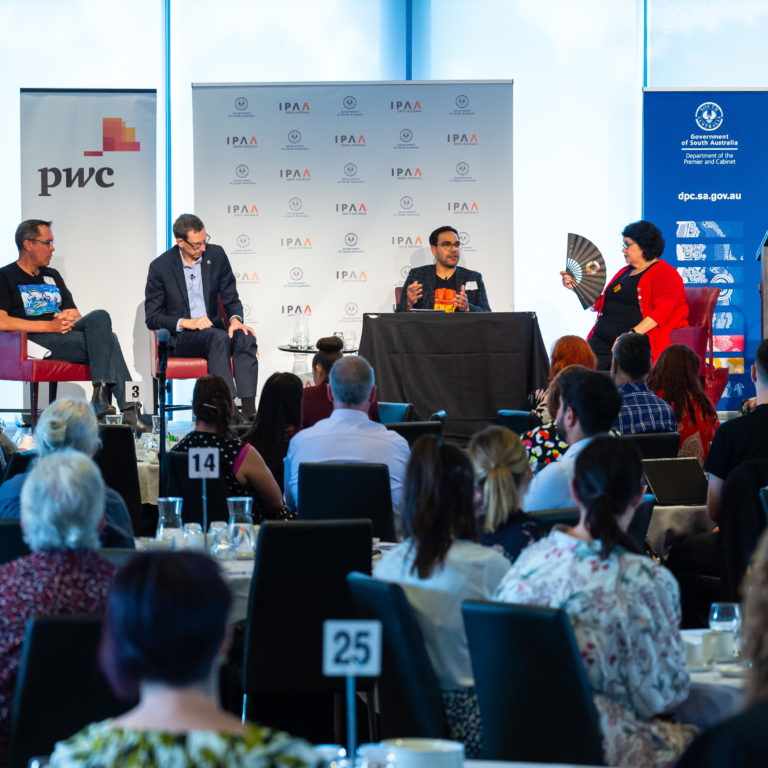
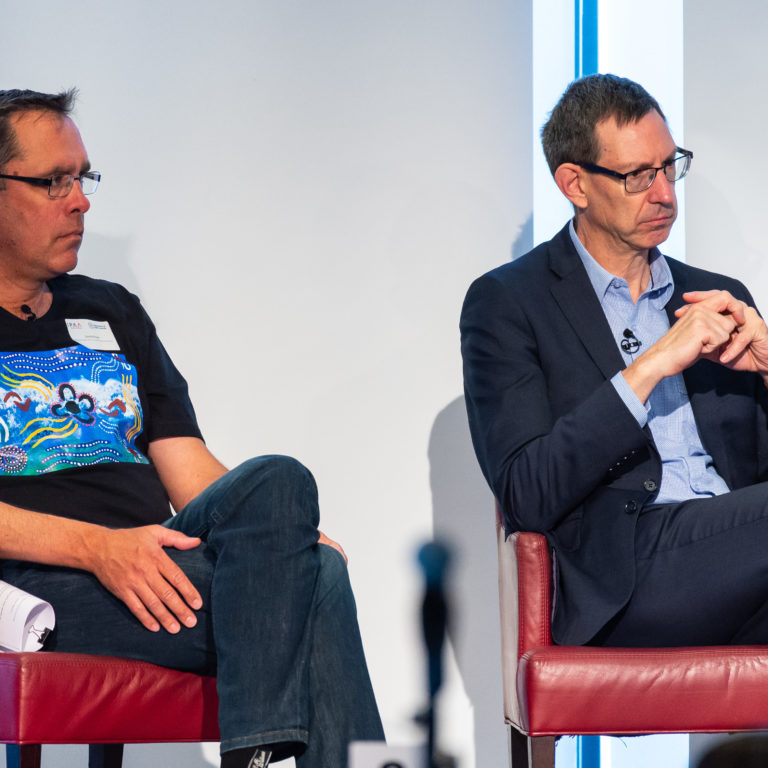
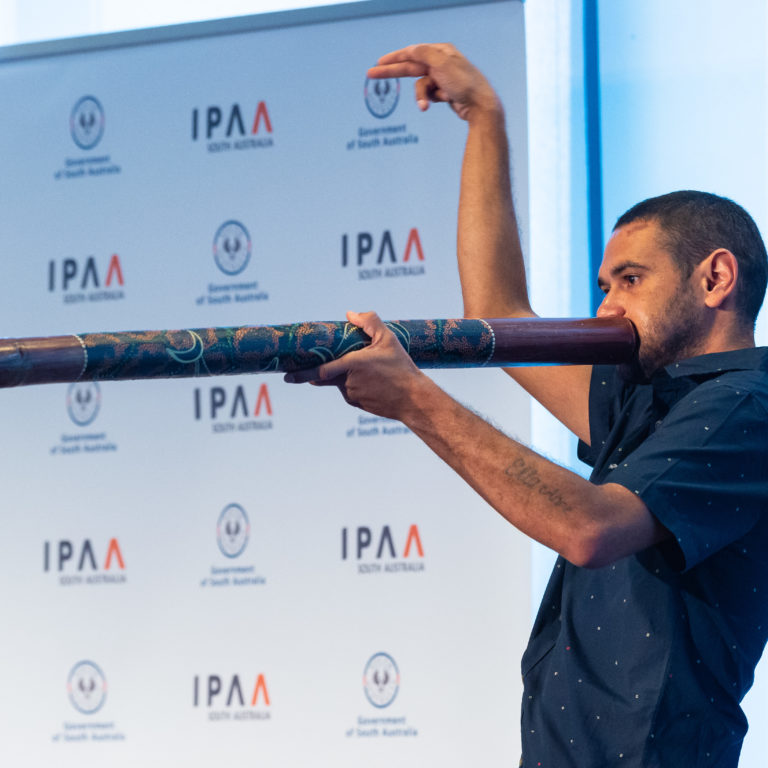
During this thought-provoking event we invited people to better understand the Uluru Statement from the Heart by listening to a diverse range of speakers.
It was issued in May 2017 following a ground-breaking process of 12 deliberative regional dialogues held across Australia – including one in South Australia – attended by local traditional owners, Indigenous community-based organisations and leaders. Each dialogue selected their own representatives to attend the First Nations Constitutional Convention at Uluru where, by an overwhelming consensus, more than 250 delegates endorsed the Uluru Statement.
The Uluru Statement seeks structural reform based on principles of justice and self-determination to give Aboriginal and Torres Strait Islander peoples greater say in and authority over decisions that affect them. Specifically, it calls for a constitutionally enshrined First Nations Voice to Parliament and a Makarrata Commission to supervise a process of agreement-making and truth-telling. These reforms are encapsulated as Voice, Treaty, Truth.
Since the Uluru Statement was issued, it has garnered widespread public support and backing from a wide and diverse range of community and corporate sector organisations as well as leading legal bodies and scholars.
https://vimeo.com/477370068/712d3b73af
Disclaimer: This video contains an unedited transcript
The latest issue of the Australian Journal of Public Administration contains a gem of a research paper by Catherine Althaus on the exciting contribution that Indigenous evidence and knowledges can make to public administration in the fields of engagement, sustainability, and policy innovation.
Catherine Althaus is the Professorial ANZSOG Chair of Public Service Leadership and Reform at the Public Service Research Group at UNSW Canberra and ANZSOG Deputy Dean. She is a non-Indigenous academic woman who has been privileged by the great generosity and hospitality of Indigenous peoples from across Australia, New Zealand, and Canada. She has also observed with frustration the many barriers to the contribution of Indigenous knowledges in the scientific and policy-making realms.
Her paper — Different paradigms of evidence and knowledge: Recognising, honouring, and celebrating Indigenous ways of knowing and being — proposes that public administration can benefit from these Indigenous ways of knowing and being.
Catherine starts by tracing some of the contemporary reasoning in favour of such acknowledgement and prioritisation. She then turns to practical examples to demonstrate how the field of public administration and the practice of policymaking will benefit (including a discussion on the potential barriers to uptake). And she closes with a call for dedicated and respectful work by the discipline and practitioner communities.
The latest issue of the Australian Journal of Public Administration contains a gem of a research paper by Catherine Althaus on the exciting contribution that Indigenous evidence and knowledges can make to public administration in the fields of engagement, sustainability, and policy innovation.
Catherine Althaus is the Professorial ANZSOG Chair of Public Service Leadership and Reform at the Public Service Research Group at UNSW Canberra and ANZSOG Deputy Dean. She is a non-Indigenous academic woman who has been privileged by the great generosity and hospitality of Indigenous peoples from across Australia, New Zealand, and Canada. She has also observed with frustration the many barriers to the contribution of Indigenous knowledges in the scientific and policy-making realms.
Her paper — Different paradigms of evidence and knowledge: Recognising, honouring, and celebrating Indigenous ways of knowing and being — proposes that public administration can benefit from these Indigenous ways of knowing and being.
Catherine starts by tracing some of the contemporary reasoning in favour of such acknowledgement and prioritisation. She then turns to practical examples to demonstrate how the field of public administration and the practice of policymaking will benefit (including a discussion on the potential barriers to uptake). And she closes with a call for dedicated and respectful work by the discipline and practitioner communities.
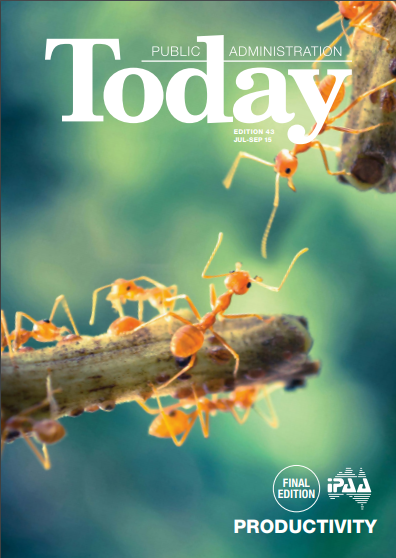
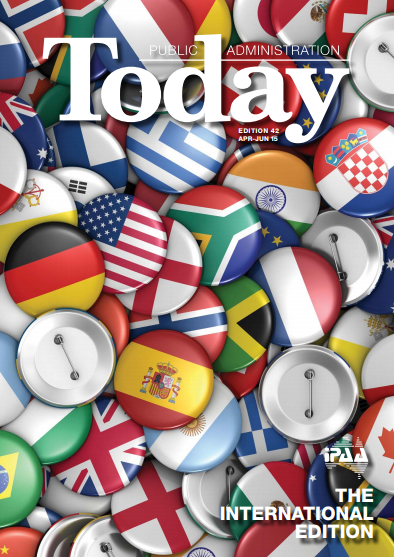
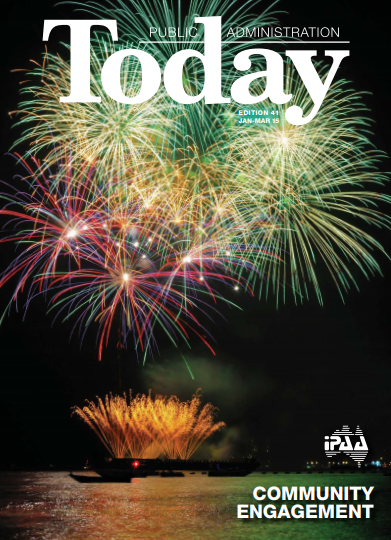
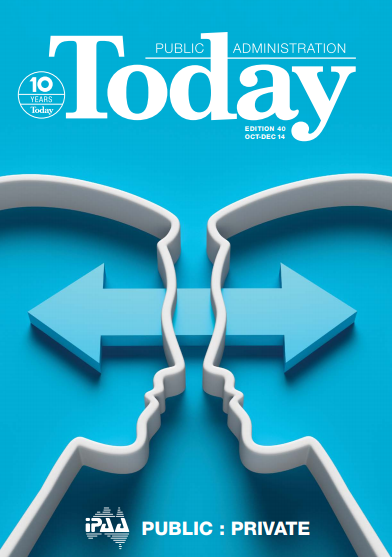
Public Administration Today (2004–2015) was a quarterly publication for IPAA members and built on the earlier success of the Canberra Bulletin of Public Administration (1973–2004).
‘Today’ reported on IPAA activities, promoted and celebrated achievements in Australian public sector management, shared information on major trends and developments, and generated discussion and debate.
Contact IPAA ACT on 02 6154 9800 if you would like to access to earlier editions of Public Administration Today or otherwise visit us at level 6, 12 Pirie St, Adelaide SA, 5000 to browse through our available editions.
This course is part of the Emerging Executive Development Series. Register for the full series and save up to 10%.
More informationThe Emerging Executive Development Series is comprised of 8 half-day units focused on providing public sector leaders with practical tools to apply in their workplace to enhance performance and productivity. Topics include:
“It provided a lot of things to think about and adapt.”
-
“[The most positive aspects of the course were] combination of practical exercises, discussion within our group and the theory made it interesting.”
-