
If there was one positive to take from the impact of COVID-19, it was the marked decrease in emissions and pollution, as industry around the world ground to a halt. However, as these industries ramp back up into production scientists are observing a return to pre-COVID ways.
Many are calling on the pandemic as a wakeup call to further reduce our environmental impact, with some experts now fearing an increased focus on economic recovery will push environmental concerns to the back burner.
“How do you get that economic, environmental, and socials equation around sustainability working for us?” – Chief Executive, Environment Protection Authority SA, Tony Circelli
As we continue into the recovery phase of COVID-19 there will undoubtedly be opportunities for policy makers around the world to tap into the experience of the pandemic. Many scientists continue to highlight environmental change as the major crisis for this century. The lessons we have learnt from the COVID-19 crisis will put us in good stead to use our new experience and knowledge to make big positive changes and make them stick.
https://www.science.org.au/curious/earth-environment/what-impact-will-covid-19-have-environment
https://pursuit.unimelb.edu.au/articles/covid-19-is-an-opportunity-to-reset-our-environmental-future
https://sa.ipaa.org.au/events/virtual-on-the-couch-with-tony-circelli/
Expand your learning with IPAA SA professional development…
Leading and Managing Change (face-to-face) – 15 October
Building a Constructive Culture (online) – 16 October
Critical Thinking and Problem Solving (face-to-face) – 2 November
Positive Psychology PERMA+ – 5 November
Maintaining Positive Focus in Changing Environments (face-to-face) – 17 November




The work of two Singapore-based researchers on the effects of ethical culture and ethical leadership on innovation as reported in the public sector has been published in the September 2020 Issue of the Australian Journal of Public Administration.
Examining the relationship between public sector ethics and public sector innovation is important because society has long expected employees and managers in public organisations to behave ethically, but increasingly also expects innovative and entrepreneurial behaviour. However, researchers have previously commented that these two behavioural expectations and the values they require may not necessarily align, and even compete in many cases.
Given that much of the evidence is rather anecdotal, and arguably outdated, Associate Professors Dr Zeger Van der Wal and Dr Mehmet Akif Demircioglu from the Lee Kuan Yew School of Public Policy at The National University of Singapore, have empirically examined how ethical culture and ethical leadership are associated with realised innovation using 84,222 responses from the Australian Public Service Commission’s 2017 APS agency survey. This research has produced robust findings across agency, work location, job level, tenure, education, and gender and across different samples.
The researchers used a definition of ethical leadership described in 2005 by Brown, Treviño and Harrison as:
‘The demonstration of normatively appropriate conduct through the personal actions and interpersonal relationships, and promotion of such conduct among followers through two-way communication, reinforcement, and decision-making processes’.
The researchers believed that the Australian public sector would provide a suitable environment for studying the effects of leadership and culture on public sector innovation for a number of reasons.
Firstly, the Australian government has been among the most highly ranked globally in terms of innovation and effectiveness for years (see the 2017 work of the OECD and Pollitt & Bouckaert). Secondly, it was also an early adaptor of New Public Management, implementing private sector practices and ideas from the 1980s onwards. And thirdly, the country’s public sector has consistently ranked highly in the Corruption Perception Index run by Transparency International.
Continue reading the full article and access the research paper via the IPAA National website.
The work of two Singapore-based researchers on the effects of ethical culture and ethical leadership on innovation as reported in the public sector has been published in the September 2020 Issue of the Australian Journal of Public Administration.
Examining the relationship between public sector ethics and public sector innovation is important because society has long expected employees and managers in public organisations to behave ethically, but increasingly also expects innovative and entrepreneurial behaviour. However, researchers have previously commented that these two behavioural expectations and the values they require may not necessarily align, and even compete in many cases.
Given that much of the evidence is rather anecdotal, and arguably outdated, Associate Professors Dr Zeger Van der Wal and Dr Mehmet Akif Demircioglu from the Lee Kuan Yew School of Public Policy at The National University of Singapore, have empirically examined how ethical culture and ethical leadership are associated with realised innovation using 84,222 responses from the Australian Public Service Commission’s 2017 APS agency survey. This research has produced robust findings across agency, work location, job level, tenure, education, and gender and across different samples.
The researchers used a definition of ethical leadership described in 2005 by Brown, Treviño and Harrison as:
‘The demonstration of normatively appropriate conduct through the personal actions and interpersonal relationships, and promotion of such conduct among followers through two-way communication, reinforcement, and decision-making processes’.
The researchers believed that the Australian public sector would provide a suitable environment for studying the effects of leadership and culture on public sector innovation for a number of reasons.
Firstly, the Australian government has been among the most highly ranked globally in terms of innovation and effectiveness for years (see the 2017 work of the OECD and Pollitt & Bouckaert). Secondly, it was also an early adaptor of New Public Management, implementing private sector practices and ideas from the 1980s onwards. And thirdly, the country’s public sector has consistently ranked highly in the Corruption Perception Index run by Transparency International.
Continue reading the full article and access the research paper via the IPAA National website.



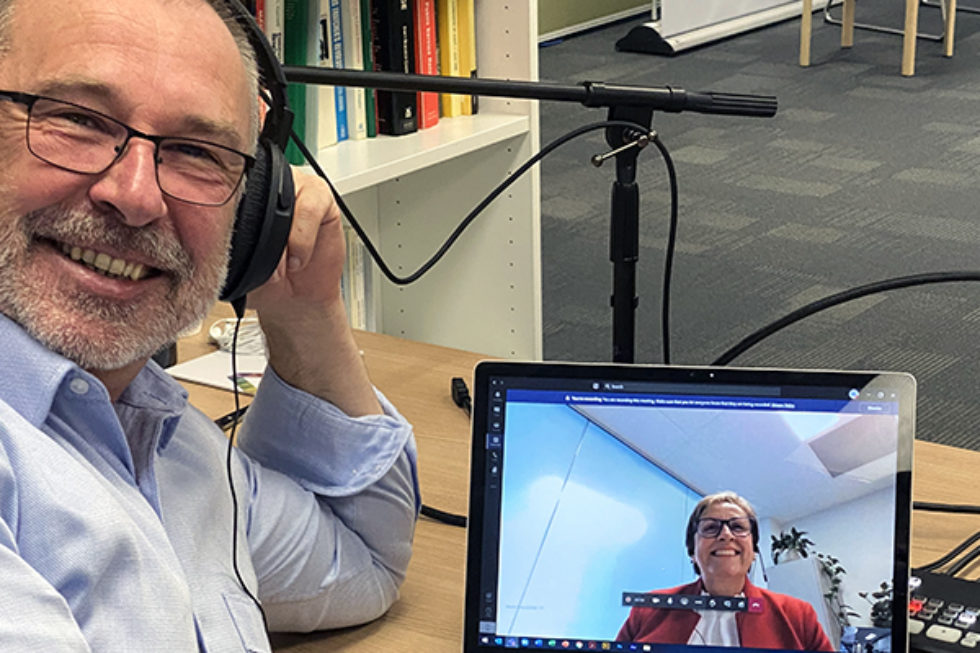
Erma Ranieri FIPAA, South Australia’s Commissioner for Public Sector Employment and IPAA SA President, joined IPAA ACT in the latest episode of their ‘Work with Purpose: A National Perspective’ podcast. In this interview Dr Gordon de Brouwer PSM FIPAA, IPAA National President, discussed the COVID-19 pandemic in South Australia.
“The clear message at the end of the day was that you keep talking to people”.
As highlighted by Commissioner Ranieri, while the pandemic presented a series of challenges it also showcased the real capability of the South Australian public sector.
“The innovation and resilience of the public sector were on display during this time, as they worked to support and collaborate with SA Health, SAPOL and other agencies to mobilise the sector to meet the unique needs of the pandemic. As the Mobilisation Coordinator, Commissioner Ranieri noted that this played a key role in the agile response to the pandemic.
“We have connected more than we have ever connected before”.
“COVID has shown what is possible within the public service”.
COVID-19 has also brought about a change to the existing paradigm for leadership and performance management in the workforce. The Commissioner is encouraged to see great outcomes in flexible work arrangements which are “reshaping the workforce to be more adaptable and diverse”. Commissioner Ranieri’s office and IPAA SA will continue to focus on fostering the skills and capabilities leaders need to adapt to this rapid shift in the workplace.
The Commissioner also highlighted the importance of awareness of mental health and wellbeing and the materials available to help leaders and employees to manage the COVID-19 pandemic:
The Office of the Commissioner for Public Sector Employment continues to work with agencies to implement a peer support program and develop an online training program for new peer support officers to build on the existing skills of employees trained in mental health first aid.
The COVID-19 Mental Wellbeing Interview Series, also offers valuable new resources for those working in the public service, with advice and tips from experts in the field
– COVID-19 Mental Wellbeing Interview Series with Forensic Psychologist, Luke Broomhall
– COVID-19 Mental Wellbeing Interview Series with Chief Psychiatrist, SA Health, Dr John Brayley
– Virtual on the Couch with Commissioner Erma Ranieri
– All Virtual on the Couch interviews

The IPAA SA Annual General Meeting is a great opportunity to get to know your Divisional Council Members and have insightful discussions that will impact the future of your association.
IPAA SA President

IPAA SA Vice President

IPAA SA Treasurer

IPAA SA Company Secretary

IPAA SA Secretary
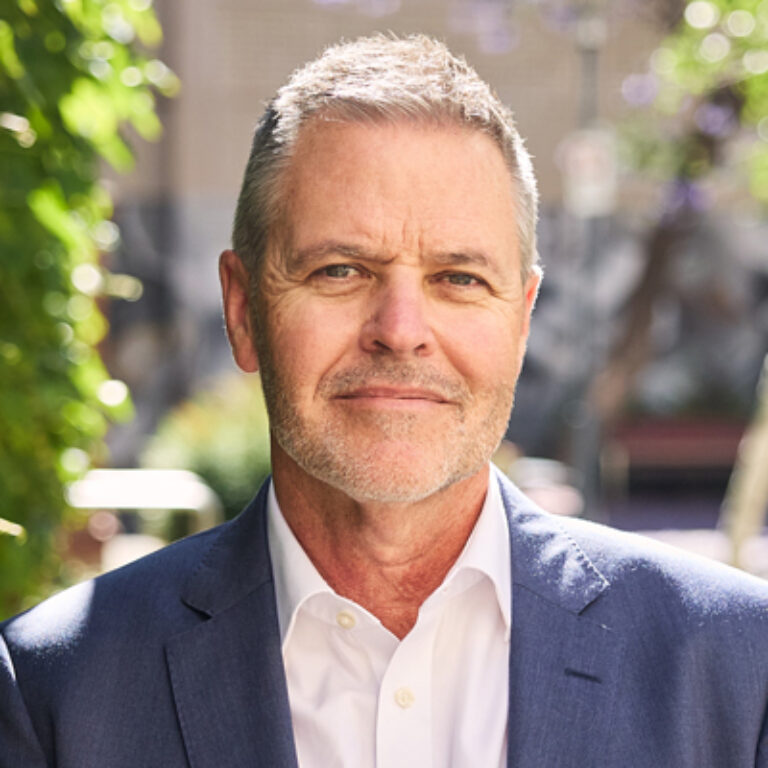
IPAA SA President

IPAA SA Councillor

IPAA SA Treasurer
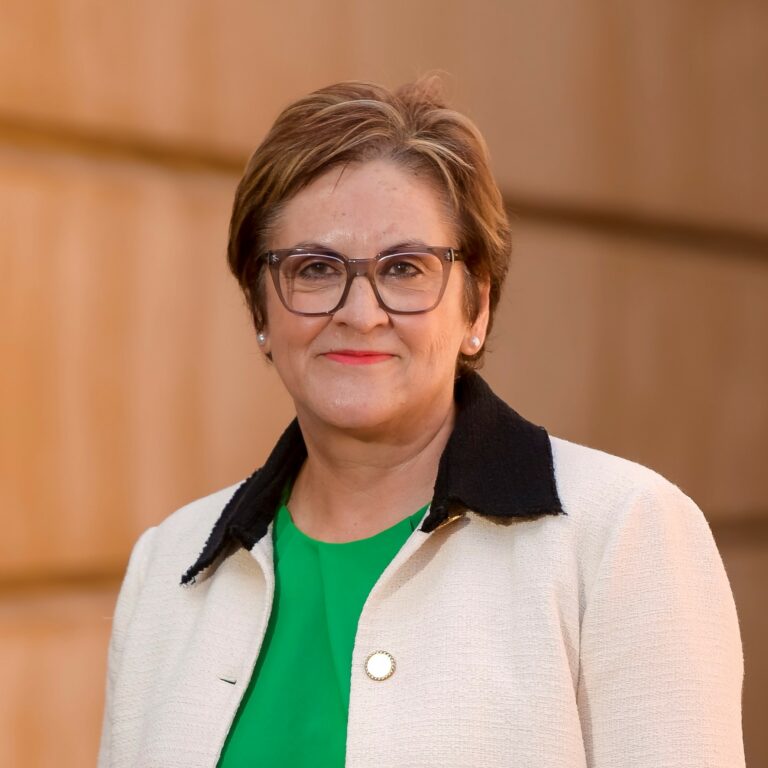
Sandy is an experienced public-sector leader, having led government agencies in both Victoria and South Australia.
Sandy was the inaugural Secretary of the Department of Families, Fairness and Housing in Victoria, an agency that supported six Ministers and spanned human services, child protection, family violence, housing and communities’ policy and service delivery.
Throughout the height of the pandemic in 2020 Sandy led the Victoria COVID-19 response that returned the state to COVID-19 zero.
Sandy’s initial role in Victoria was leading higher education, skills and training.
Prior to working for the Victorian government, Sandy was the Chief Executive of the South Australian Department of Environment, Water and Natural Resources, where she focussed on a vibrant nature-based tourism strategy for South Australia, connecting people to parks and delivering on the state’s ambitious Climate Change agenda.
And prior to that, Sandy was Deputy Chief Executive of the South Australian Department of Premier and Cabinet for five years.
She has also served as the Director of the South Australian Office for Women.
In 2012 Sandy was awarded the South Australian Telstra Business Woman of the year for the Community and Public sector category, and went on to win the national title in November 2012.
Sandy has worked in London, primarily as the head of Corporate and Parliamentary Affairs in the UK’s Commission for Racial Equality, and has previously worked in Commonwealth public sector roles in Canberra and Sydney.
Educated at the University of Adelaide, Sandy has degrees in law and the humanities.
She was raised in Mannum, has two children, a dog and a puppy to keep her on her toes.
In August 2022, Sandy returned to the South Australian Government as Deputy Under Treasurer, after working for several years in the Victorian public sector. She is currently the Chief Executive of the Department of Human Services.


Principal Workforce Planner,
Department for Health and Wellbeing
Katherine is an experienced and strategic workforce planner with a strong track record in leading system-wide health workforce initiatives. She is skilled in applying data-driven modelling, labour market analysis, and stakeholder engagement to inform recruitment, retention, and redesign strategies, with a proven ability to align workforce planning with clinical priorities, emerging service demands, and long-term reform objectives to support a sustainable and capable health workforce.
Katherine is the Chair of the Department’s ‘Access All Areas’ Diversity, Equity and Inclusion (DEI) Employee Resource Group, championing initiatives that improve access, belonging and representation across disability, neurodiversity and caring responsibilities.
She is an active mentor with the University of South Australia (now Adelaide University) Business Career Mentor Program and the Department’s Peers Offering Peers Support Program, contributing expertise to support the next generation of health sector professionals.
Katherine is also a graduate of the Australian Institute of Company Directors (AICD), Certified Health Informatician Australasia (CHIA), member of the Australasian Institute of Digital Health (AIDH), Vice President of the Australasian College of Health Service Management (ACHSM) SA Branch Council and Treasurer of the Institute of Public Administration Australia (IPAA) SA.
She is passionate about innovation, ethical governance, and designing healthier systems for the future – and always open to connecting with peers who share a commitment to creating positive change.